In Loving Memory & Lasting Legacy

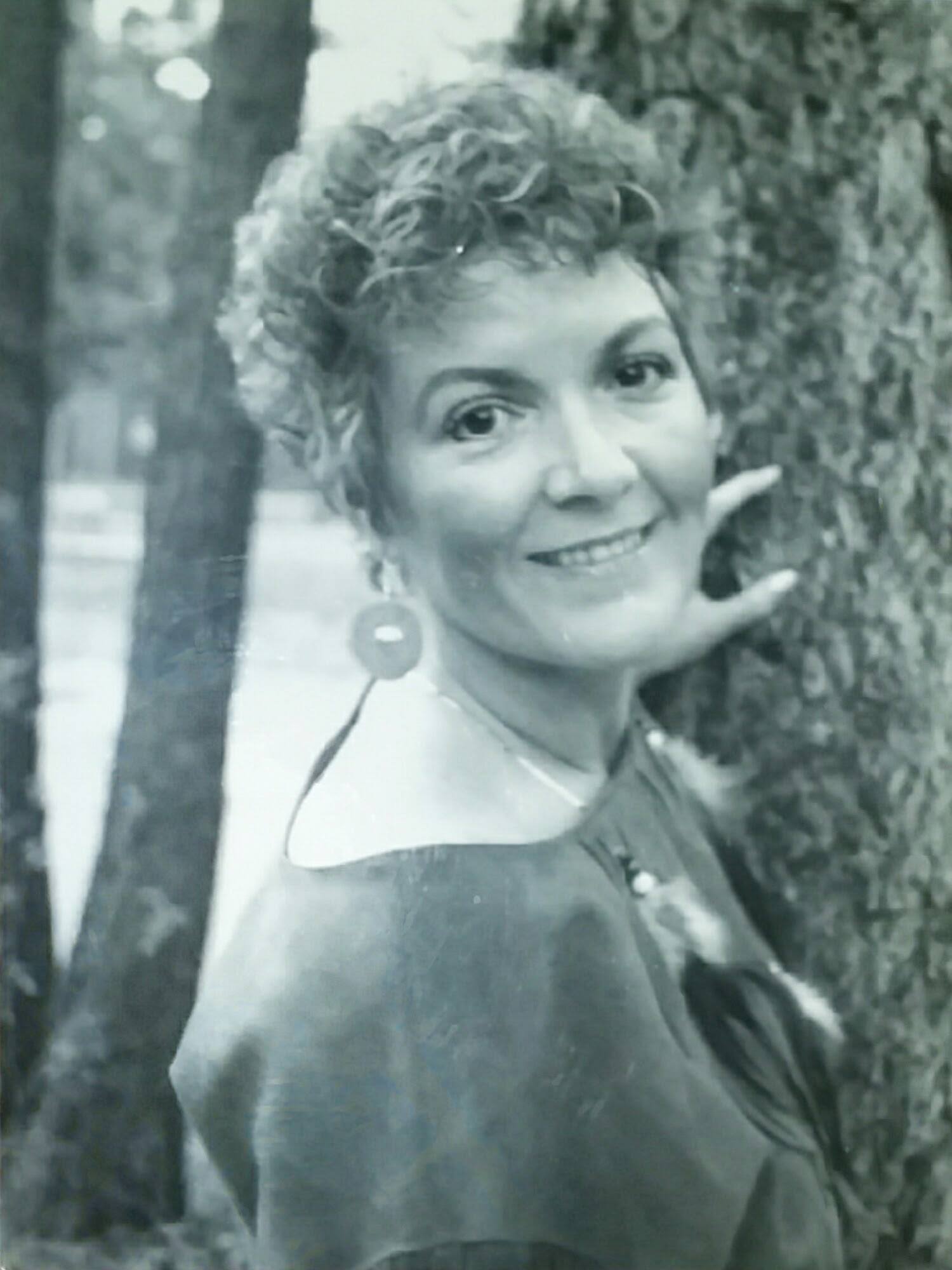
Martine J. RoBards

April 16, 1946 – May 16, 2017  ·  Ph.D. Psychobiology & Psychology

“Until you are on your own side,
you have no chance of winning.
As long as you are opposing others,
you can only experience defeat.
Insight is the discovery that you can take care of yourself
and support your fellow man at the same time.
You do not exist apart from the rest of the universe.
You are a ray of its energy,
a potential for initiative and creation.
Goethe said: "Whatever you can do, or dream you can, begin it.
Boldness has genius, power, and magic in it."
If you retreat from your creation,
because you cannot envision the means of its support,
then, surely, no support will materialize.
Find your role.
Commit yourself to its playing.
And you may find the theatre you need.
A producer may emerge.
Other actors may arrive.
And an audience may assemble to help you realize your dreams
and accomplish other destinies.

— Marty RoBards, 1982

Discover Her Story

A Life of Profound Insight
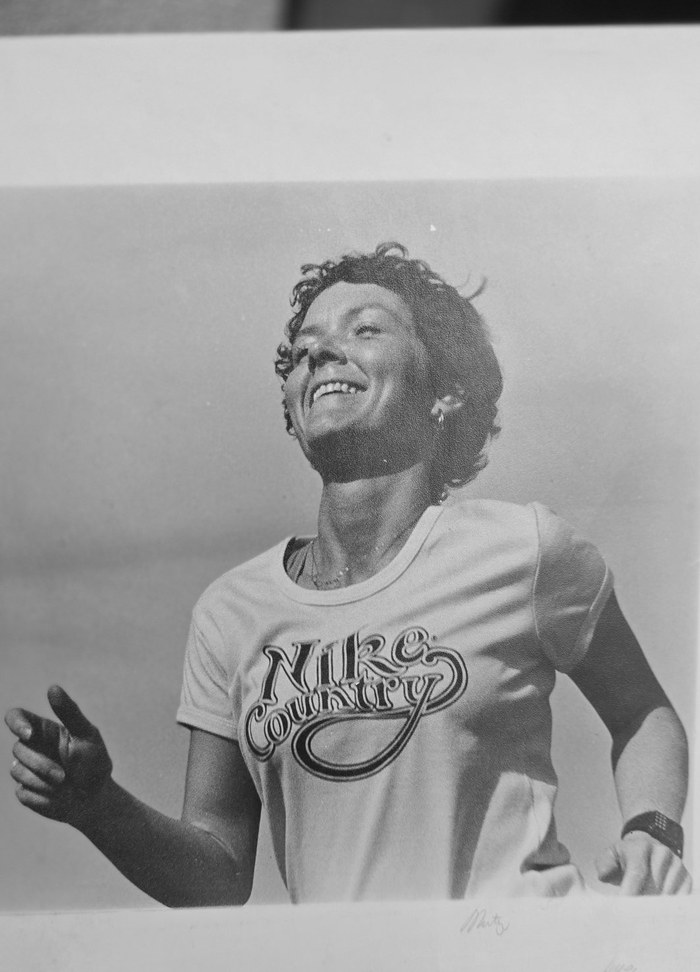
Martine J. RoBards, Ph.D.

Martine J. RoBards, Ph.D. · Laguna Beach, CA

"The most profound organizational change comes not from new systems, but from empowered people who understand themselves."

Martine June RoBards was born on April 16, 1946, in Louisville, Kentucky — a woman decades ahead of her time. A dual-doctorate psychologist with post-doctoral fellowships in neuroscience at the University of Virginia and Brown University, she brought the rigor of neuropsychology together with the warmth of a visionary humanist to create something entirely new in American psychology.

From 1977 to 1981 she served as Assistant Professor of Anatomy and Psychobiology at UC Irvine's School of Medicine — teaching Human Neuroscience, Gross Anatomy, and Human Embryology — earning Outstanding Faculty Member recognition three consecutive years. Her NIH- and NSF-funded research produced more than twenty peer-reviewed publications in neuroscience before she pivoted to her true calling: making psychology accessible, practical, and transformative for everyone.

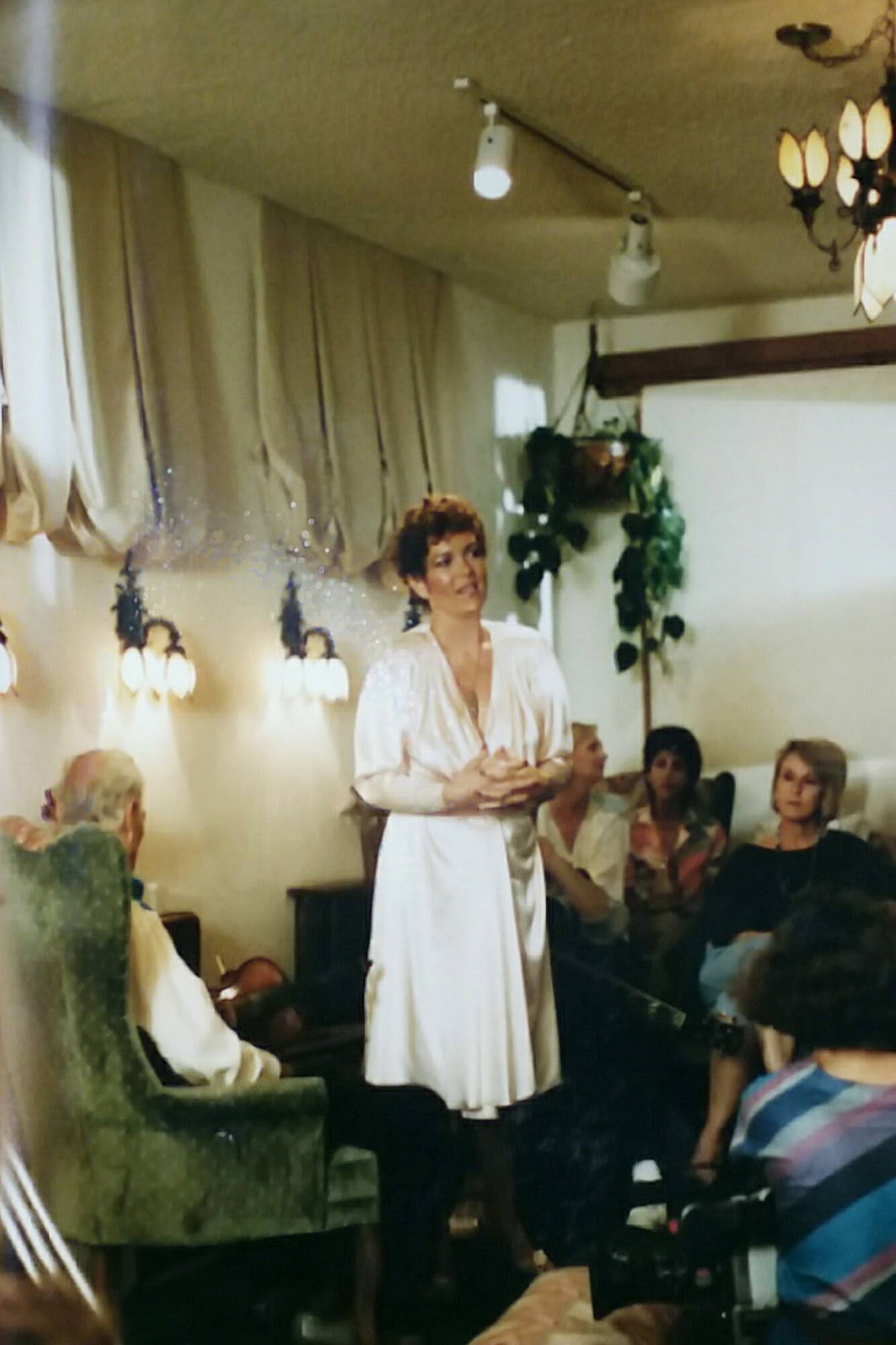
In 1982, Marty founded The Human Equation, Ltd. in Laguna Beach, California — what Inc. Magazine called "the first in what they hope will be a nationwide chain of 'psych shops' located in shopping malls." Open seven days a week, designed with dimmed lighting, stained glass, velour furnishings, and not a right angle in sight, The Human Equation was a radical reimagining of psychological care as an accessible, welcoming, deeply human space.

In 1987, she extended her vision with The Leadership Dimension, bringing her personality-type frameworks into boardrooms, corporate training programs, and executive retreats from La Jolla to Hawaii to Queensland, Australia. Her consulting engaged major corporations — from technology companies and hotel groups to defense contractors and financial institutions — using the science of Jungian type and Keirsey temperament theory to transform teams, cultures, and leaders.

Marty was also a prolific author, publishing landmark personality type resources under her own imprint. Her copyright-protected personality profiles — written to be "genuinely appreciative, encouraging, and self-esteem enhancing" — shaped how a generation understood themselves and each other.

In the final chapter of her career, she returned to her roots in neuroscience as a forensic neuropsychologist, devoting herself to a cause as human as any she had championed: the railroad workers of Louisville, Kentucky — men who had spent decades breathing chlorinated solvents in CSX's South Louisville rail yards, emerging with damaged brains and nowhere to turn. Martine built a groundbreaking study, evaluated dozens of workers, and became a pivotal expert witness in multiple landmark FELA trials. Her testimony reached the Kentucky Supreme Court. Her science helped give those workers their lives back.
Ph.D. Psychobiology Ph.D. Psychology Post-Doc U. of Virginia Post-Doc Brown University Asst. Prof. UC Irvine Neuropsychologist MBTI Specialist Jungian Type Theorist

The Timeline

From Laguna Beach to Australia and everywhere the human spirit needed understanding.

1946

Born in Louisville, Kentucky

Martine June RoBards was born on April 16, 1946, in Louisville, Kentucky. Her lifelong fascination with the human mind would begin early and never wane.

1970s

Doctoral Training & Neuroscience Research

Earned dual doctorates in Psychobiology and Psychology from Florida State University, followed by post-doctoral fellowships at the University of Virginia School of Medicine and Brown University School of Medicine, followed by a faculty appointment at UC Irvine — grounding a visionary in the most rigorous neuroscience of her era. During this period she produced more than twenty peer-reviewed publications, conducted NIH- and NSF-funded research, and earned Outstanding Faculty Member recognition three consecutive years at UC Irvine. Her work on olfactory systems and neuroanatomical tracing methods during these post-doctoral years laid the scientific foundation for the landmark 1981 book that would follow.

1981

A Seminal Work in Neuroscience

During her years at the University of Virginia School of Medicine and UC Irvine, Martine co-edited Neuroanatomical Tract-Tracing Methods (Plenum Press, 1981) with Dr. Lennart Heimer — a 567-page volume that became a foundational reference in the field. The book consolidated the techniques researchers use to map neural pathways in the brain, and has been cited continuously in neuroscience literature for over four decades. Cross-referencing on PubMed reveals it remains an active citation in current neuroanatomy research, a testament to the rigor and lasting relevance of her early scientific work.

1982

The Human Equation, Ltd.

Founded in Laguna Beach, CA. A revolutionary "psych shop" in a shopping mall — radically accessible psychology featuring computer-assisted personality screening, counseling, workshops, and holistic services. Featured in Inc. Magazine as a pioneering concept.

1983

National Media Recognition

Featured in Inc. Magazine, Psychology Today, and Training Magazine, as well as ABC and CNN television news — establishing her as a national voice in accessible mental health and organizational psychology.

1986–1990

The Insight Series & What Matters

Published her landmark series on personality theory through The Leadership Dimension imprint — applying Jungian and Keirsey frameworks in an unprecedented, warmly human voice. The series included Insight I, Insight II, and the capstone Insight III: Everything You Ever Wanted to Know About Becoming a Type Temperament Wizard in the Organization — a practitioner’s deep dive into applying temperament theory within organizational life. Alongside the books, she also developed What Matters, a values-clarification board game designed to help individuals and teams identify their core priorities — the philosophical companion to The Insight Game.

1987

The Leadership Dimension

Founded as an extension of The Human Equation — bringing personality-type consulting to Fortune 500 companies, executive retreats, and organizational development across the U.S. and Australia.

1989

The Insight Game™ Is Born

Martine created The Insight Game — a board game sold by mail order to psychologists, therapists, guidance counselors, and Fortune 500 training departments. A breakthrough tool for team-building, customer service, and executive development.

1990s

Corporate America & Executive Retreats

The Insight Game reached corporate boardrooms across the country — from technology firms in Silicon Valley to the Ritz-Carlton’s leadership programs. Executive retreats in La Jolla, Carmel, Big Sur, Hawaii, and Queensland, Australia brought her methods to the highest levels of American and international business leadership.

1996

Comprehensive Personality Profiles

Published her comprehensive series of 16-type personality profiles — copyrighted resources that became reference standards for practitioners integrating Myers-Briggs and Keirsey frameworks.

1993

The Call That Broke the Case — Primetime Live

Southern California's workers' compensation system had quietly become one of the most corrupt enterprises in the country. Organized crime rings were running sham clinics — recruiting uninjured workers, fabricating diagnoses, and billing insurers for treatments that never happened. One insider would later confess on camera to a half-billion dollars in fraud. But before any of that was exposed, someone had to see it first.

That someone was Martine. Working as a neuropsychologist inside these practices, she was the one who recognized the scale and pattern of the fraud from the inside. And when she did, she picked up the phone and called Diane Sawyer — her classmate from Seneca High School in Louisville, Kentucky, where both women had come of age. That call set everything in motion.

ABC's Primetime Live built their entire investigation around what Martine had uncovered. She went in wired — hidden camera, hidden microphone — helping document the fraud that she had already identified. The resulting broadcast brought the crisis to a national audience. Her role in it, from the first phone call to the undercover work, was kept strictly confidential — a condition of the investigation, and a measure of the personal risk she had taken to do what was right.

Late 1990s–2000s

Champion of Louisville's Railroad Workers

Having returned to her hometown of Louisville, Kentucky, Martine undertook one of the most consequential chapters of her career: using her dual expertise in neuropsychology and neuroscience to advocate for railroad workers suffering from toxic encephalopathy — permanent brain damage caused by decades of exposure to chlorinated solvents at CSX's South Louisville rail yards.

She began with a single patient and, recognizing a pattern, built a pioneering research study — evaluating workers who labored at the same shops, under the same conditions, with the same chemical exposures — and found consistent neuropsychological deficits across the group. Her findings became central evidence in multiple FELA (Federal Employers' Liability Act) trials, and her testimony was cited in landmark Kentucky Supreme Court decisions including Moody v. CSX Transportation and Burton v. CSX Transportation. CSX mounted legal challenges to exclude her, arguing jurisdictional questions about her qualifications — and lost. Her work helped secure millions of dollars in verdicts for workers who had been silenced, overlooked, and harmed.

Publishing her research in the Archives of Clinical Neuropsychology and presenting at the International Neuropsychological Society, she gave scientific legitimacy to a community of injured workers who had nowhere else to turn. It was, in every sense, the full arc of her life's work: neuroscience, psychology, and a fierce belief that people — all people — deserved to be understood and protected.

2000s

InsightSystem.com & Digital Expansion

Moved The Insight Game online through InsightSystem.com, pioneering digital personality-type assessment at a time when few psychologists had grasped the internet's potential for democratizing psychological tools.

2026

The Legacy Continues

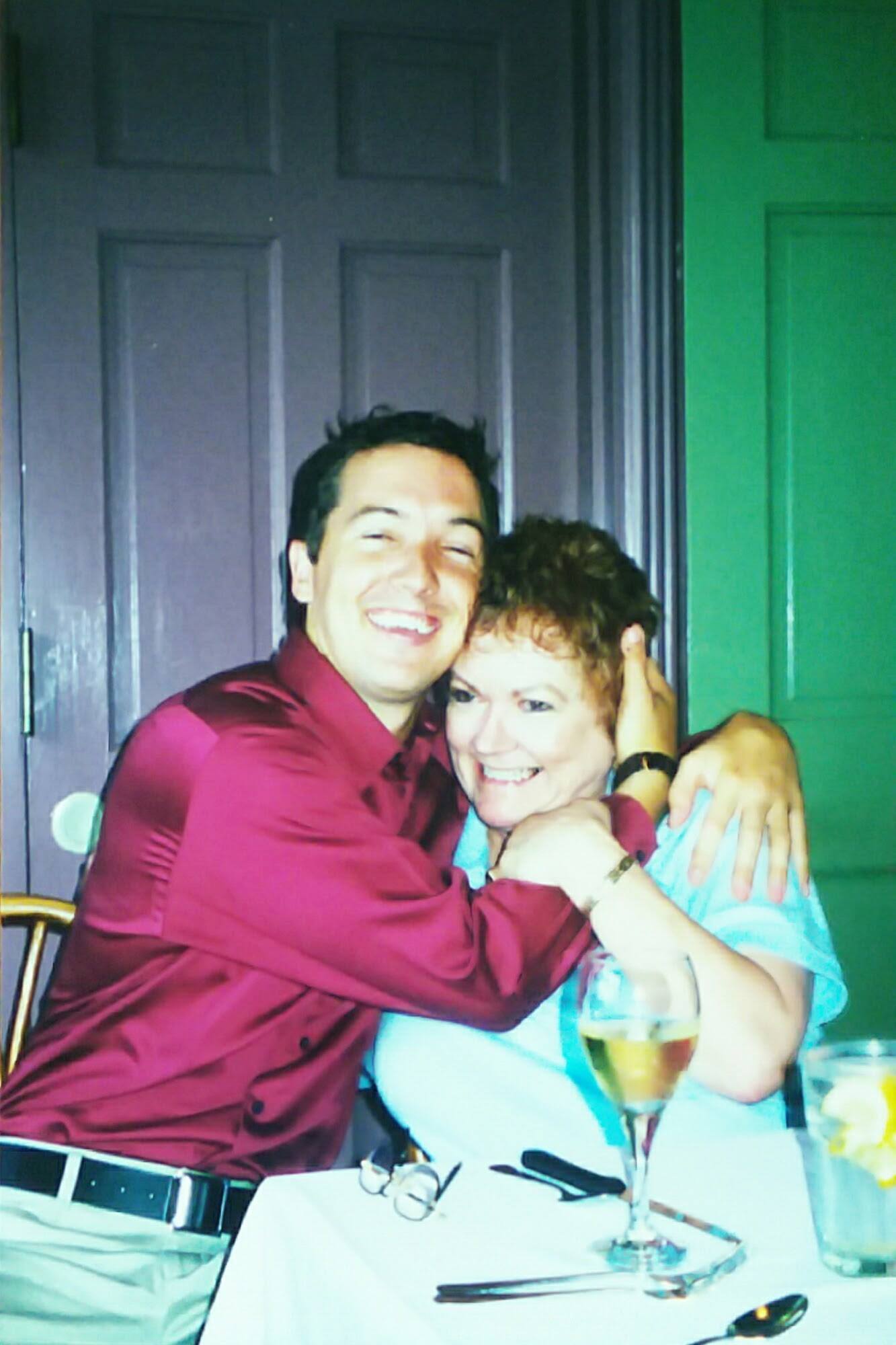
Her son, Michael A. RoBards, LCSW, relaunches The Insight Game — digitally reimagined for a new generation, carrying forward the philosophy and spirit that Martine gave to the world.

The Insight Game

A board game that became a movement — helping thousands of people understand themselves and transform their teams. Martine’s original vision has grown into something larger: InsightSystem.ai now brings together the Insight Game, the Type-Temperament Reporting System, Talking It Through, and the Insight AI Journal in one place.

1989 Year of Creation
16 Personality Types Explored
30+ Years of Impact
4 Continents Reached

"The fun way to learn about personality type"

In 1989, Martine RoBards did something radical: she made personality psychology playful. The Insight Game began as a beautifully designed board game sold by mail order to mental health professionals — a tool that transformed the often dry language of Myers-Briggs and Keirsey temperament theory into something warm, engaging, and genuinely illuminating.

Unlike clinical assessments that generated reports full of jargon, The Insight Game was built on Martine's core conviction that psychological insight should be "genuinely appreciative, encouraging, and self-esteem enhancing." Players discovered their four-letter personality type through an experience that felt less like a test and more like a conversation about what makes them uniquely themselves.

What began in mail-order catalogs reached corporate headquarters across industries, executive suites in Hawaii and Australia, and the offices of thousands of therapists, guidance counselors, and HR professionals across the country.

Myers-Briggs Keirsey Temperament Jungian Type Theory Team Building Executive Development Mail Order Board Game
AT&T
Ritz-Carlton Hotels
Raytheon
Sun Microsystems
United Parcel Service
Quaker Oats
Oracle Corporation
US Postal Service
National City Bank
Queensland Health
Queensland University of Technology
Australian Quality Council
Pioneer International
Santos, Ltd.
Psychologists & Therapists
And Many More

A Philosophy of Human Potential

These were not merely professional frameworks. They were the beliefs by which Martine lived and led.

01

People First, Always

"We believe that success in business comes from direction, empowered people, sound systems, and an intentional culture." Martine championed people as the central driver of every organizational outcome — not strategy, not technology, not capital.

02

No Bad News in Self-Knowledge

Every personality profile she wrote was crafted to be "genuinely appreciative, encouraging, and self-esteem enhancing." She believed understanding oneself should build confidence, not shame — a radical departure from pathology-focused psychology.

03

Shared Vision Creates Teams

"The most profound of these principles is that real teamwork requires a shared vision, responsible leadership, and a committed, motivated team." She built practical tools to make this not an aspiration, but an achievable reality.

04

Unity Within Diversity

Martine wrote that personality type codes reveal "the unity within the diversity of mankind." Before diversity and inclusion became corporate vocabulary, she was building frameworks that celebrated difference as the source of organizational strength.

05

Diagnosis, Not Band-Aids

The Leadership Dimension distinguished itself by offering "diagnostic consulting rather than Band-Aid solutions." She believed organizations deserved the same rigorous diagnostic approach as clinical medicine — precise, evidence-based, lasting.

06

Psychology Belongs to Everyone

From open-door psych shops in shopping malls to mail-order board games for therapists, Martine spent her entire career dismantling the barriers between people and the self-knowledge they needed to thrive. Psychology was not a privilege. It was a birthright.

A Voice The World Listened To

Martine's work drew national media attention at a time when few women psychologists were building publicly recognized brands.

Inc. Magazine
Psychology Today
Training Magazine
ABC News
CNN
Google Books
Amazon UK
The Type Reporter

"The idea comes from Laguna Beach, Calif. — where psychologist Martine J. RoBards and her husband have opened the first in what they hope will be a nationwide chain of 'psych shops' located in shopping malls."

— Inc. Magazine, October 1983

"The computerized test saves time and money. Conventional therapy may take several weeks or even months. Our approach provides insight into oneself quickly — and in a way that builds rather than diminishes."

— Martine J. RoBards, Ph.D., quoted in Inc. Magazine

"Developed by a psychologist and organizational consultant, The Insight Game has been in use for over two decades — quick, non-threatening, and as accurate as the Myers-Briggs Type Indicator."

— Practitioner Reviews, InsightGame.org

"These codes reveal the unity within the diversity of mankind. People embrace them because they are genuinely appreciative, encouraging, and self-esteem enhancing — providing both a basis for self-acceptance and a blueprint for growth."

— Martine J. RoBards, Ph.D., The Leadership Dimension

Her Written Legacy

Books, profiles, and frameworks that shaped a generation of practitioners and the clients they served.

Neuroanatomical
Tract-Tracing Methods
Heimer & Robards, Eds.
1981

Neuroanatomical Tract-Tracing Methods

Co-edited with Dr. Lennart Heimer (University of Virginia School of Medicine). Published by Plenum Press, this 567-page volume became a seminal reference in neuroscience — continuously cited in peer-reviewed literature for over four decades, including current neuroanatomy research. A testament to the scientific rigor that grounded her later work in psychology.

Insight:
A Perspective on Personality
Martine J. Robards
1986

Insight: A Perspective on Personality

The foundational text — a compassionate, rigorous exploration of Jungian type theory for practitioners and general readers. Published by The Leadership Dimension.

Insight I & II Martine J. Robards
1986–1990

Insight I & II

A two-volume series expanding her personality type frameworks for clinical and organizational application. Used by practitioners across the country.

Insight III:
Becoming a Type Temperament Wizard
Martine J. Robards
c. 1990

Insight III: Everything You Ever Wanted to Know About Becoming a Type Temperament Wizard in the Organization

The capstone of the Insight series — a practitioner’s deep dive into applying Jungian type and Keirsey temperament theory within organizational life. Designed for consultants, coaches, and leaders seeking mastery of personality dynamics in the workplace.

What Matters Martine J. Robards
c. 1990

What Matters — Values Clarification Board Game

A companion to The Insight Game, What Matters guided individuals and teams through a structured exploration of their core values and priorities. Where The Insight Game illuminated how people think and communicate, What Matters surfaced what they live for — a powerful combination for personal and organizational development.

Comprehensive Personality Profiles (16 Types) Copyright © 1996
1996

Comprehensive Personality Profiles

A complete library of 16 type-based profiles — 30–40 pages each — covering personal style, relationship patterns, management approach, and career needs. Copyrighted 1996.

2026 — The Next Chapter

The Insight Game
Returns

Martine's brainchild — reimagined for the digital age. The same warmth, wisdom, and self-discovery she built into every card and question, now available to a new generation.

Carry Her Legacy Forward

Share a memory of Martine or her work. Stay informed about the relaunch of The Insight Game. Connect with Michael RoBards to continue the conversation she started.

Memories, tributes, and professional testimonials of Martine's work are warmly welcomed.
The Insight Game relaunch notification list — be among the first to know when it returns.
Licensing inquiries for use of Martine's published frameworks and personality profiles.